The Future of Maintenance How Automatic Lubrication Systems Revolutionize Performance
Understanding Automatic Lubrication Systems
What is an Automatic Lubrication System?
An automatic lubrication system, often referred to as an auto lube system, delivers precise amounts of lubricant to machinery components at predetermined intervals. This system eliminates the need for manual lubrication, enhancing efficiency and reliability in maintenance operations. By automatically distributing lubricant to bearings, gears, and other critical components, these systems reduce wear and tear, extending the lifespan of equipment. The ability to monitor and adjust lubrication intervals based on operational conditions further optimizes performance. With the integration of automation, industries benefit from reduced downtime and improved productivity.
Key Components of Automatic Lubrication Systems
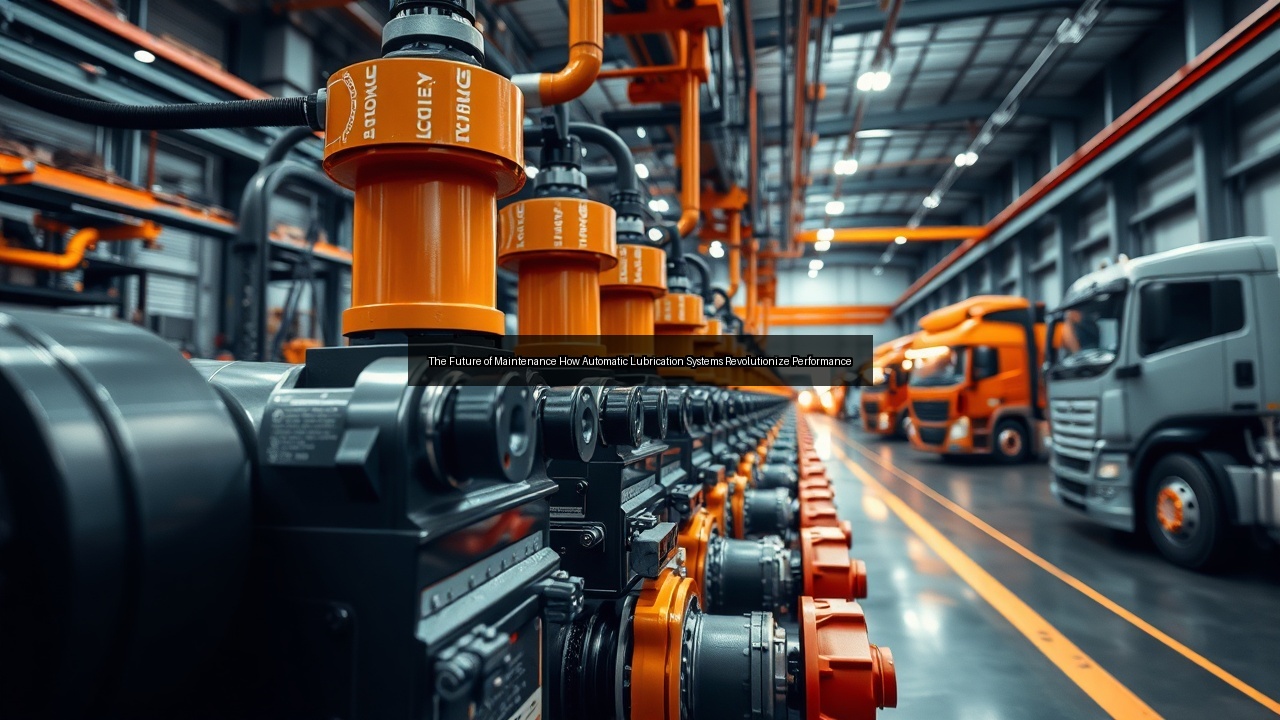
Automatic lubrication systems consist of several key components that work together to ensure effective lubrication. The primary elements include pumps, reservoirs, and distribution lines. Pumps, essential for delivering lubricant under pressure, can be electric or pneumatic, depending on the application. Reservoirs store the lubricant until needed, while distribution lines carry it to various lubrication points. Connectors and greasers facilitate the flow of lubricant to specific areas, ensuring even coverage across all critical components. Condition monitoring devices can also be integrated, providing real-time data on lubricant levels and system performance, further enhancing reliability.
Types of Lubricants Used in Automatic Systems
Automatic lubrication systems utilize a variety of lubricants, including oils and greases, tailored to specific applications. The choice of lubricant depends on factors such as operating temperature, load capacity, and environmental conditions. For high-speed machinery, lightweight oils often provide the necessary lubrication without causing excessive drag. In contrast, heavy-duty applications, like those found in trucks and trailers, may require thicker greases that maintain their consistency under pressure. Furthermore, synthetic lubricants offer superior properties, including higher thermal stability and increased resistance to oxidation, making them ideal for demanding environments.
The Impact of Automation on Maintenance
Enhancing Reliability with Automated Lubrication
Automation significantly enhances reliability in maintenance operations. An automatic lubrication system ensures consistent delivery of lubricant, minimizing the risk of human error associated with manual lubrication. Regular and precise application of lubricant prevents overheating and reduces friction, which can lead to premature failure of components. For instance, in compressors and bearings, maintaining optimal lubrication levels directly correlates with increased operational efficiency. By utilizing automated systems, businesses can focus on core operations while the system handles the maintenance aspect, ultimately leading to enhanced reliability across all equipment.
Reducing Maintenance Costs through Automation
Automated lubrication systems contribute to substantial cost savings in maintenance. By ensuring that all machinery receives the correct amount of lubricant at the right time, these systems prevent costly repairs and downtime due to lubrication failures. Organizations can significantly lower maintenance costs by reducing the frequency of manual checks and labor associated with traditional lubrication methods. Additionally, the longevity of machinery increases, leading to fewer replacements and repairs. In the long run, implementing an automatic lubrication system proves to be a wise investment for any business looking to streamline operations and reduce overall maintenance expenditure.
Condition Monitoring: The Future of Predictive Maintenance
Condition monitoring plays a crucial role in the future of predictive maintenance. By integrating sensors into automatic lubrication systems, operators can track the performance and condition of machinery in real time. These sensors monitor lubricant levels, temperature, and pressure, providing critical data that helps predict when maintenance is required. This proactive approach reduces unplanned downtime and enhances overall equipment effectiveness. In sectors like data centers, where reliability is paramount, condition monitoring can identify potential issues before they escalate, allowing for timely interventions. Predictive maintenance, powered by automation and condition monitoring, transforms how organizations manage their automatic lube systems assets.
Applications of Automatic Lubrication Systems
Automatic Lubrication in Trucks and Trailers
Automatic lubrication systems have become indispensable in the trucking industry. Trucks and trailers operate under extreme conditions, making proper lubrication critical for performance and safety. An automatic lubrication system ensures that all moving parts, such as wheel bearings and suspension components, receive consistent lubrication, reducing wear and enhancing reliability. This system not only minimizes maintenance requirements but also extends the lifespan of key components. Fleet operators can benefit from reduced downtime, as automated systems keep vehicles running smoothly without the need for frequent manual checks or interventions.
Utilizing Automatic Lubricators in Data Centers
Data centers represent another critical application for automatic lubrication systems. In these facilities, equipment such as servers and cooling units must operate continuously to maintain optimal performance. Automatic lubricators can ensure that fans and motors receive the necessary lubrication, preventing overheating and potential failures that could lead to data loss. The implementation of these systems fosters a reliable environment where equipment runs efficiently without interruption. As data centers continue to expand, the need for reliable lubrication solutions becomes increasingly evident, making automatic lubrication systems a vital part of their operational strategy.
The Role of Lubrication Technology in Compressors
Compressors rely heavily on effective lubrication to maintain performance and efficiency. Automatic lubrication systems provide a steady supply of lubricant to the compressor's moving parts, ensuring they operate smoothly and remain free from wear. These systems can adapt to varying operational conditions, adjusting lubricant delivery based on pressure and temperature readings. By investing in lubrication technology, companies can significantly reduce the risk of compressor failures, resulting in lower maintenance costs and improved reliability. The integration of automated lubrication in compressors represents a strategic advancement in maintenance practices, leading to enhanced operational efficiency.
Choosing the Right Automatic Lubrication System
Evaluating Brands and Equipment
Selecting the right automatic lubrication system involves evaluating various brands and equipment options. Numerous manufacturers offer a range of systems designed for different applications and industries. It is essential to assess each brand's reputation, customer reviews, and the specific features of their products. Look for systems that provide reliable performance, easy integration with existing equipment, and strong customer support. A thorough evaluation ensures that the chosen lubrication system meets the operational demands and maintenance requirements of your specific application, whether it’s for trucks, data centers, or compressors.
Factors to Consider: Quantity, Pressure, and Lube Solutions
When choosing an automatic lubrication system, consider factors such as lubricant quantity, pressure, and lube solutions. The system must deliver the appropriate amount of lubricant to each component, as insufficient lubrication can lead to increased wear and failure. Additionally, understanding the pressure requirements for your machinery is vital, as different applications may necessitate varying levels of pressure to ensure effective delivery. Finally, evaluate the type of lube solutions available, including oils and greases that best suit your operational environment. This comprehensive approach guarantees that the selected system aligns with your maintenance strategy.
Integrating Greasers and Pumps for Optimal Performance
To achieve optimal performance from an automatic lubrication system, integrating greasers and pumps effectively is crucial. Greasers serve as delivery mechanisms for the lubricant, ensuring that every critical point receives adequate lubrication. Pumps must be chosen based on their ability to maintain the required pressure and flow rate automatic lube system for your specific application. Consider compatibility between greasers and pumps to ensure seamless operation. Proper integration facilitates consistent lubrication delivery, enhancing reliability and reducing the frequency of repairs and maintenance. A well-designed system not only improves equipment longevity but also maximizes operational efficiency.
See Also
- Why Every Truck and Trailer Should Have an Automatic Lubrication System
- Choosing the Right Automatic Lubrication System for Your Truck Fleet
- A Deep Dive into the Technology Behind Automatic Lubricators
- Integrating Automatic Lubrication with Condition Monitoring for Optimal Results
- Automatic Lubrication Systems vs Manual Greasing Which is More Reliable