The Essential Role of Custom Process Hoppers in Modern Warehousing Solutions
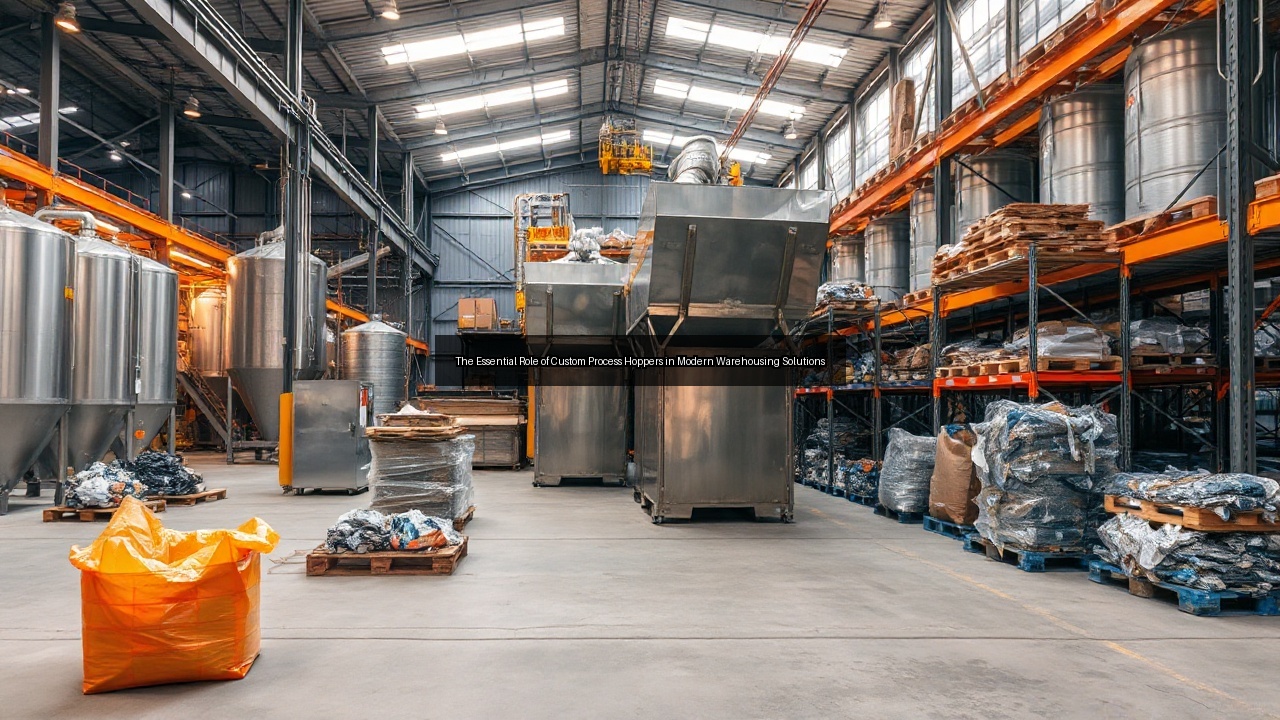
Understanding Custom Process Hoppers in Modern Warehousing
The Importance of Customization in Hoppers
Custom process hoppers play a critical role in modern warehousing solutions by offering tailored configurations that meet the specific needs of various industries. Unlike standard hoppers, custom options allow businesses to address unique challenges, such as material types, flow rates, and storage capacities. The customization process often begins with a thorough analysis of the materials that will be handled, whether they are bulk materials or recyclables. This analysis ensures that each hopper is designed to facilitate smooth material flow, reducing the risks of clogs or overflows that can lead to downtime.
Moreover, the design of custom hoppers can significantly enhance productivity. By aligning the dimensions and features of the hopper with the existing warehouse layout, companies can optimize space and streamline operations. Custom hoppers can include features like cone-shaped bottoms for efficient material discharge, which accelerates the transfer process. The flexibility in design allows businesses to incorporate additional elements such as casters for mobility or integrated gates for controlled dispensing, further enhancing their functionality and efficiency.
Key Materials Used in Fabrication
Fabrication of custom process hoppers involves selecting the right materials to ensure durability, safety, and efficiency. Stainless steel is a popular choice due to its strength and resistance to corrosion, making it ideal for environments that handle moist or abrasive materials. In contrast, sheet metal hoppers offer a more cost-effective solution while still providing adequate performance for less demanding applications. The choice of material not only impacts the longevity of the hopper but also influences the overall maintenance costs associated with warehousing operations.
Additionally, the fabrication process often includes treatments or coatings that enhance the hopper's resistance to wear and tear. This aspect is particularly crucial for hoppers handling materials like concrete or scrap, which can be highly abrasive. Companies must also consider factors like weight and placement; a heavier hopper might require a more robust support structure, while a lighter design could be more mobile yet less stable. Ultimately, choosing the right materials and fabrication techniques ensures that custom process hoppers meet the required operational standards without compromising safety.
Dimensions and Design Considerations
The dimensions of custom process hoppers directly influence their performance and integration within warehouse systems. Warehouse managers must evaluate the available space and potential height restrictions when designing hoppers. For example, taller hoppers can offer increased storage capacity but may require additional engineering to ensure stability and ease of access. Design considerations also include the hopper's width and length, which should facilitate seamless interaction with conveyor systems or pallet racks.
Designing custom hoppers involves understanding the flow characteristics of the materials they will store. Certain materials may require specific hopper shapes to ensure proper flow, such as a conical bottom that promotes gravity-fed discharge. Additionally, hoppers should incorporate safety features like guardrails and access gates to protect workers during loading and unloading processes. Balancing these design elements with functional requirements ensures that custom hoppers not only optimize material handling but also adhere to safety and regulatory standards.
Integrating Custom Process Hoppers with Other Warehouse Systems
The Role of Conveyor Systems in Material Handling
Integrating custom process hoppers with conveyor systems enhances the overall efficiency of material handling in warehouses. Conveyors streamline the movement of materials from one point to another, reducing manual labor and minimizing the risk of injuries. Custom hoppers act as a critical component in this system, serving as a storage and dispensing point for bulk materials or recyclables before they are transferred via conveyor. The design of the hopper must align with the conveyor specifications to ensure a smooth and uninterrupted flow of materials.
Moreover, the positioning of hoppers in relation to conveyor systems influences workflow. Placing hoppers strategically can reduce the distance materials need to travel, thereby increasing throughput. For instance, a hopper positioned directly above a conveyor can allow for immediate discharge, saving time and enhancing productivity. Additionally, incorporating sensors or automation within the hopper can further optimize operations, allowing for real-time monitoring and adjustments based on material levels and flow rates.
Enhancing Efficiency with Pallet Racks and Hoppers
Custom process hoppers also enhance efficiency when integrated with pallet racks. These racks provide structured storage for pallets of materials, while hoppers serve as feeding points for the materials stored on those pallets. This integration allows for a streamlined system where workers can quickly access and dispense materials as needed. The design of the hoppers should consider the height of the pallet racks to ensure that workers can safely and easily access the stored goods.
Furthermore, the combination of pallet racks and custom hoppers allows for better inventory management. Hoppers can be designed to dispense specific quantities of materials, ensuring that pallet racks are replenished efficiently. This approach minimizes the risk of overstocking or understocking and contributes to a more organized warehouse environment. The result is a significant boost in productivity, as employees can focus on their tasks without interruptions caused by material shortages or disorganization.
Safety Features: Guardrails and Gates in Hopper Design
Safety is paramount in any warehousing operation, and the design of custom process hoppers must reflect this priority. Incorporating features such as guardrails and gates within the hopper design reduces the risk of accidents during material handling. Guardrails provide a physical barrier that prevents workers from falling into the hopper during loading or unloading processes. Gates allow for controlled access to the materials inside the hopper, ensuring that only authorized personnel can operate them.
Additionally, hoppers can be equipped with emergency shut-off systems that enhance safety during unexpected situations. Such systems allow operators to quickly halt the flow of materials, reducing the risk of spills or accidents. Regular maintenance checks on these safety features are essential to ensure they function correctly and meet regulatory standards. By prioritizing safety in the design and operation of custom process hoppers, companies protect their workforce and ensure compliance with safety regulations.
Applications of Custom Process Hoppers in Various Industries
Utilizing Hoppers for Bulk Materials and Recyclables
Custom process hoppers find extensive applications in industries that deal with bulk materials and recyclables. In agriculture, for instance, hoppers facilitate the storage and dispensing of grains or seeds, ensuring that the right quantities are available for processing or planting. In recycling operations, custom hoppers play a pivotal role in separating and storing materials, thereby enhancing the efficiency of the recycling process. They can be designed to handle a variety of materials, including plastics, metals, and paper, each requiring specific configurations for optimal performance.
Moreover, the ability to customize hoppers for specific materials allows companies to minimize contamination during the recycling process. For example, hoppers can be designed with multiple compartments to segregate different types of recyclables, thus streamlining sorting operations. This versatility makes custom process hoppers indispensable in industries that prioritize sustainability and efficient resource management.
Implementing Hoppers in Concrete and Scrap Manufacturing
In concrete and scrap manufacturing, custom process hoppers play a crucial role in managing the flow of raw materials. In concrete production, hoppers store aggregates, cement, and additives, facilitating an organized workflow. Their design must account for the weight and abrasiveness of these materials, ensuring durability and efficiency. Conical hoppers, for instance, facilitate easy discharge of heavy aggregates, optimizing mixing processes.
Similarly, in scrap manufacturing, hoppers are essential for collecting and storing scrap metal, cardboard, and other recyclable materials. Custom hoppers can be designed to withstand the harsh conditions often present in scrap yards, including exposure to corrosive materials. The integration of these hoppers into the manufacturing process enhances operational efficiency, reduces handling times, and contributes to a more sustainable approach to waste management.
The Versatility of Stainless Steel and Sheet Metal Hoppers
Custom process hoppers can be fabricated from various materials, with stainless steel and sheet metal being two of the most versatile options. Stainless steel hoppers offer exceptional durability and resistance to corrosion, making them ideal for industries that require stringent hygiene standards, such as food processing and pharmaceuticals. Their resilience ensures longevity, even when handling abrasive materials, thereby reducing the need for frequent replacements.
On the other hand, sheet metal hoppers provide a cost-effective solution for less demanding applications. They can be easily customized to fit specific dimensions and designs, allowing businesses to adapt them for various material types. The flexibility in fabrication enables companies to create hoppers that meet their unique operational needs without overspending on materials. Both options contribute to efficient material handling solutions across a range of industries.
The Future of Custom Process Hoppers in Warehousing
Innovations in Custom Hopper Design
The future of custom process hoppers lies in continuous innovation and technological advancements. Smart hoppers equipped with sensors can monitor material levels, providing real-time data to warehouse managers. These innovations enable better inventory management and reduce the risk of stockouts or overstocking. Moreover, advancements in materials science can lead to the development of even more durable and lightweight materials for hopper construction, further enhancing their functionality.
Additionally, the integration of automation in hopper design may streamline operations even further. Automated hoppers can work in conjunction with conveyor systems to facilitate seamless material transfer without human intervention. Such innovations promise to boost productivity and optimize workflows, reducing operational costs and enhancing overall efficiency in warehousing environments.
How Custom Hoppers Boost Productivity in Warehousing
Custom process hoppers significantly boost productivity in warehousing by facilitating smoother material handling processes. Their tailored designs ensure that materials flow efficiently from storage to production lines or shipping areas, minimizing delays and downtime. By optimizing the dimensions and features of hoppers, companies can improve loading and unloading times, allowing workers to focus on core tasks rather than material management.
Furthermore, the integration of safety features within custom hoppers enhances workforce confidence, enabling employees to operate efficiently without fear of accidents. This confidence contributes to a more engaged and productive workforce. Custom hoppers also allow for better organization of materials, which reduces search times and enhances overall operational efficiency. Investing in custom process hoppers ultimately results in a more streamlined and productive warehousing operation.
Choosing the Right Company for Custom Hopper Solutions
Finding the right company for custom process hopper solutions is crucial for achieving operational efficiency and safety. Look for a manufacturer with a proven track record in designing and fabricating hoppers that meet industry standards. A reputable company should offer comprehensive consultation services to help determine the best design and material options based on specific operational needs.
Evaluate the manufacturer's experience in your industry, as specialized knowledge can greatly impact the effectiveness of the hopper design. Additionally, consider their commitment to quality control and customer support, ensuring that any issues that arise post-installation are promptly addressed. By choosing the right company for custom hopper solutions, businesses can ensure that they receive a product that enhances their warehousing operations and supports long-term growth.