Navigating Hydrostatic Testing Certification Requirements for Companies
Understanding Hydrostatic Testing and Its Importance
What is Hydrostatic Testing?
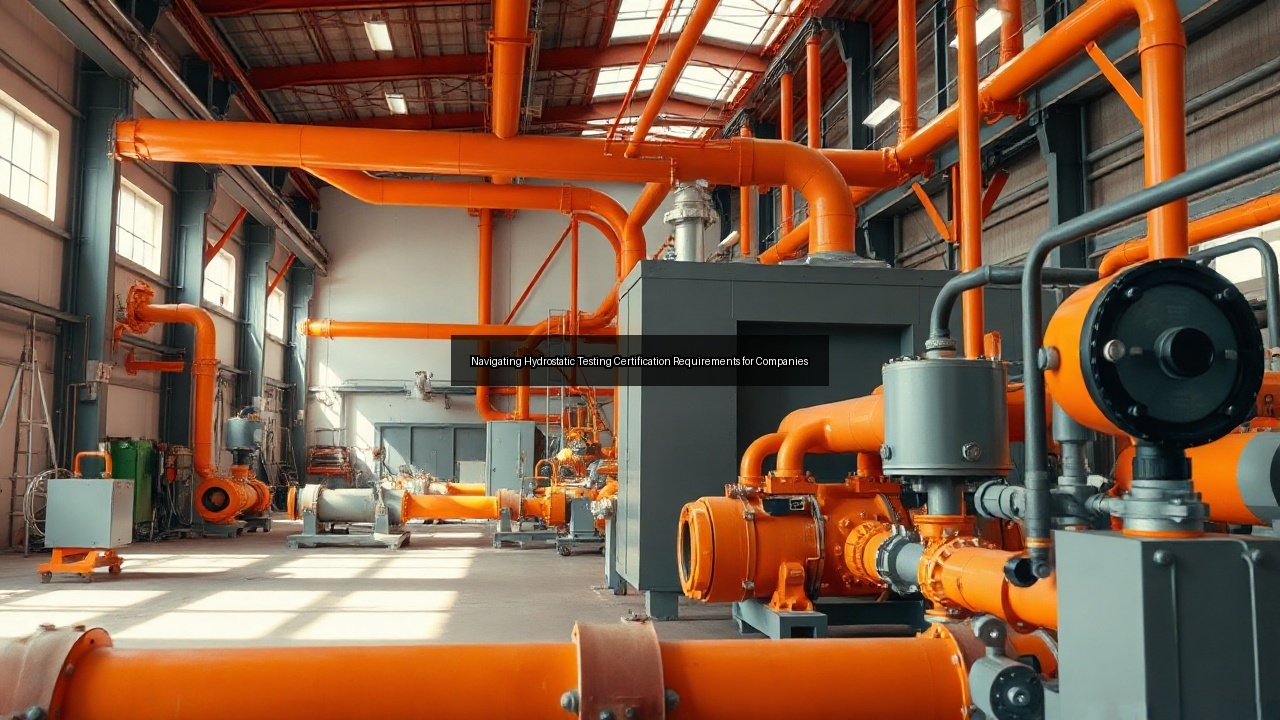
Hydrostatic testing involves subjecting a system, such as pipelines or pressure vessels, to a liquid pressure test to ensure its integrity and leak-proof functionality. This process typically utilizes water or other fluids, such as nitrogen, to fill the system and create pressure. The goal is to identify any weaknesses or potential failure points within the material. By applying pressure above the normal operating level, hydrostatic testing exposes any leaks or deformities, allowing for timely repairs before operational use. This method is critical for maintaining safety and compliance across various industries, particularly where high-pressure systems operate.
Significance in the Oil and Gas Industry
In the oil and gas industry, hydrostatic testing plays a pivotal role in ensuring the safety and reliability of pipelines. Given the high stakes of transporting flammable and hazardous materials, rigorous testing is non-negotiable. Companies conducting hydrostatic pressure tests safeguard against leaks that could lead to catastrophic events, including explosions and environmental disasters. The stringent regulations governing the oil and gas sector necessitate that hydrostatic testing companies adhere to specific standards, reinforcing the importance of their certification. This process not only protects assets but also ensures compliance with environmental and safety regulations, thereby maintaining public trust and corporate responsibility.
Applications in Construction and Aerospace
Hydrostatic testing finds extensive applications in both construction and aerospace industries. In construction, it validates the integrity of water lines, plumbing systems, and pressure vessels, ensuring that they can withstand the forces they will encounter throughout their life cycles. Similarly, the aerospace sector employs hydro testing to assess the safety and reliability of fuel tanks and hydraulic systems. The rigorous demands of these fields require that hydrostatic testing companies possess not only the technical expertise but also the necessary certifications to conduct these tests effectively. By ensuring that systems meet safety standards, these companies help prevent failures that could have serious consequences.
Certification Requirements for Hydrostatic Testing Companies
Overview of Certification Standards
Hydrostatic testing companies must meet a range of certification standards to demonstrate their capability and compliance with safety regulations. Various organizations, such as the American Society for Testing and Materials (ASTM) hydrostatic pressure testing companies and the American Society of Mechanical Engineers (ASME), provide guidelines that testing firms must follow. These standards cover everything from testing procedures to equipment requirements and personnel training. Certification ensures that hydrostatic testing companies employ best practices that not only protect their workers but also safeguard the integrity of the systems they test. Companies must regularly renew their certifications, reflecting ongoing adherence to industry standards and the evolving technology landscape.
Key Certifications for Safety Compliance
Several key certifications are crucial for hydrostatic testing companies to maintain safety compliance. The National Board of Boiler and Pressure Vessel Inspectors (NBBI) certification is one of the most recognized, ensuring that companies adhere to the highest standards for pressure vessel safety. Additionally, ISO 9001 certification demonstrates a commitment to quality management systems, which is vital for maintaining consistent testing processes. Other relevant certifications include those from the Occupational Safety and Health Administration (OSHA), which address worker safety in hazardous environments. Companies that hold these certifications gain credibility in the industry, making them more appealing to potential clients in the oil and gas, hydrostatic pressure test company construction, and aerospace sectors.
Importance of Management and Training in Certification
Effective management and training are fundamental to the success of hydrostatic testing companies. Management plays a crucial role in implementing safety protocols and ensuring that all personnel are adequately trained in hydrostatic pressure testing techniques. Continuous education and skill enhancement are essential for compliance with evolving standards. Companies should invest in training programs that cover both technical skills and safety practices. This commitment to training not only helps maintain certification but also fosters a culture of safety that benefits both employees and clients. By prioritizing management and training, hydrostatic testing firms can enhance their operational efficiency and reduce the risk of accidents and liabilities.
Choosing the Right Hydrostatic Testing Firm
Evaluating Company Expertise and Experience
Selecting a hydrostatic testing firm requires careful evaluation of their expertise and experience. Consider the company's history and track record in the industry. A firm with extensive experience in hydro testing across various sectors, such as oil and gas, construction, and aerospace, is likely to possess the necessary knowledge to handle complex projects. Look for testimonials and case studies that showcase their success in previous testing assignments. Additionally, inquire about the qualifications of their personnel, as skilled technicians significantly impact the quality of testing conducted. A well-established company with a blend of experience and expertise will likely deliver reliable results, ensuring compliance and safety in your projects.
Factors to Consider: Equipment and Technology
The equipment and technology used by hydrostatic testing companies greatly influence the quality and efficiency of their services. Advanced testing equipment allows for more accurate measurements and quicker turnaround times. When evaluating potential firms, inquire about their testing methodologies and the technology they employ. Companies using state-of-the-art hydraulic systems and automated data logging devices typically provide more reliable testing results. Additionally, consider whether they offer a range of services, from hydro testing for various fluids to pneumatic testing. A company that invests in new technology demonstrates a commitment to continuous improvement, which can be a significant factor in ensuring the integrity of your systems.
Understanding the Scope of Services Offered
A comprehensive understanding of the services offered by hydrostatic testing firms is essential when making a selection. Some companies specialize exclusively in hydro testing, while others provide a broader range of mechanical testing services, including non-destructive testing and welding inspections. Evaluate how these additional services might benefit your project. For instance, a firm that can handle multiple testing requirements may streamline the process and reduce the need for coordinating with multiple vendors. Clear communication about the scope of services and any limitations ensures that expectations align and that the chosen company can meet your specific needs efficiently.
Best Practices for Hydrostatic Testing and Compliance
Safety Protocols and Procedures
Establishing robust safety protocols and procedures is paramount for hydrostatic testing companies. These protocols should encompass all aspects of the testing process, from preparation to execution and post-testing evaluation. Comprehensive safety measures include proper personal protective equipment (PPE) for technicians, regular equipment inspections, and adherence to all regulatory standards. Companies should also implement emergency response plans to handle potential incidents, including leaks or equipment failures. Regular drills and training sessions help reinforce these protocols and ensure that all personnel are prepared for unforeseen circumstances. Prioritizing safety not only protects workers but also enhances the reliability of testing outcomes, ultimately reinforcing client confidence.
Hydro Testing for Various Fluids: Oil, Gas, and Chemicals
Hydrostatic testing encompasses a variety of fluids, including oil, gas, and chemicals, each posing unique challenges and requirements. Testing for oil and gas typically demands a focus on high-pressure systems that must withstand rigorous conditions. The testing process for chemicals often involves additional safety protocols due to the potential hazards involved. Hydro testing firms must adapt their methodologies based on the fluid being tested, ensuring compliance with specific industry regulations. Companies that demonstrate expertise across multiple fluid types offer a significant advantage, as they can cater to diverse client needs while maintaining high standards of safety and efficacy.
Future Trends in Hydrostatic Testing and Certification
The future of hydrostatic testing and certification is poised for significant advancements, driven by technological innovations and evolving industry standards. Emerging technologies such as automation, digital monitoring, and advanced data analytics are transforming how hydro testing is conducted. These tools enhance precision, reduce human error, and streamline reporting processes. Furthermore, the push for environmental sustainability is leading to more stringent regulations, prompting hydrostatic testing companies to adopt greener practices and materials. Staying ahead of these trends is crucial for companies aiming to remain competitive in the market. Embracing innovation while adhering to regulatory requirements will define the next generation of hydrostatic testing services.